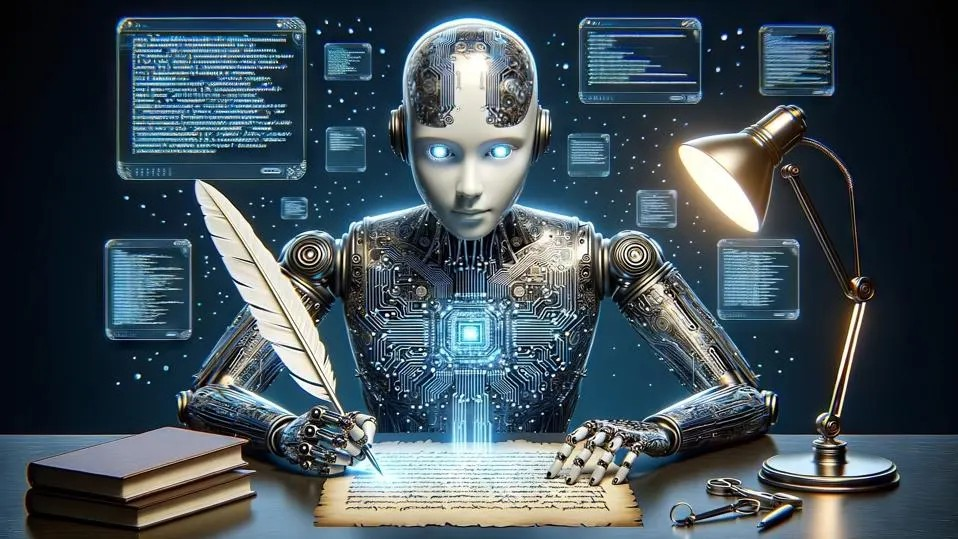
The Transformative Impact of Generative AI: Opportunities and Challenges
In recent years, generative AI has emerged as a groundbreaking technology, reshaping industries and sparking both excitement and concern. This article explores the current state of generative AI, its applications, and the implications for businesses and society.
What is Generative AI?
Generative AI refers to artificial intelligence systems capable of creating new content, including text, images, code, and even music. These systems learn from vast datasets to produce original outputs that often rival human-created content in quality and creativity.
Key Applications and Benefits
- Content Creation
- Assists writers, marketers, and creatives in generating ideas and content
- Accelerates the production of written materials, from articles to scripts
- Software Development
- Enhances programmer productivity through AI-powered coding assistants
- Helps in debugging and optimizing code
- Design and Visual Arts
- Generates unique images, logos, and designs
- Aids in prototyping and conceptual design phases
- Data Analysis and Insights
- Creates detailed reports and summaries from complex datasets
- Helps identify patterns and trends in large volumes of information
- Personalization
- Enables highly tailored user experiences in various digital platforms
- Customizes content and recommendations based on user preferences
Challenges and Considerations
- Ethical Concerns
- Questions of originality and copyright in AI-generated content
- Potential for misuse in creating deepfakes or misleading information
- Job Market Disruption
- Potential displacement of certain roles in creative and technical fields
- Creation of new job categories focused on AI management and prompt engineering
- Quality Control and Oversight
- Ensuring accuracy and appropriateness of AI-generated content
- Developing systems to detect and manage AI-generated misinformation
- Data Privacy and Security
- Protecting the vast amounts of data required to train generative AI systems
- Ensuring user privacy in personalized AI applications
Future Outlook
As generative AI continues to evolve, we can expect:
- Increased integration of AI in creative and technical workflows
- Development of more sophisticated and specialized AI models
- Emergence of new regulatory frameworks to govern AI use and development
- Growing emphasis on AI ethics and responsible development practices
Conclusion
Generative AI represents a significant leap in artificial intelligence capabilities, offering unprecedented opportunities for innovation and efficiency. However, it also presents complex challenges that require careful consideration and proactive management. As this technology continues to advance, it will be crucial for businesses, policymakers, and technologists to work together in harnessing its potential while addressing its ethical and societal implications.
By staying informed and adaptable, organizations can position themselves to leverage the benefits of generative AI while navigating its challenges, ultimately driving progress and innovation in their respective fields.
Leave a Reply