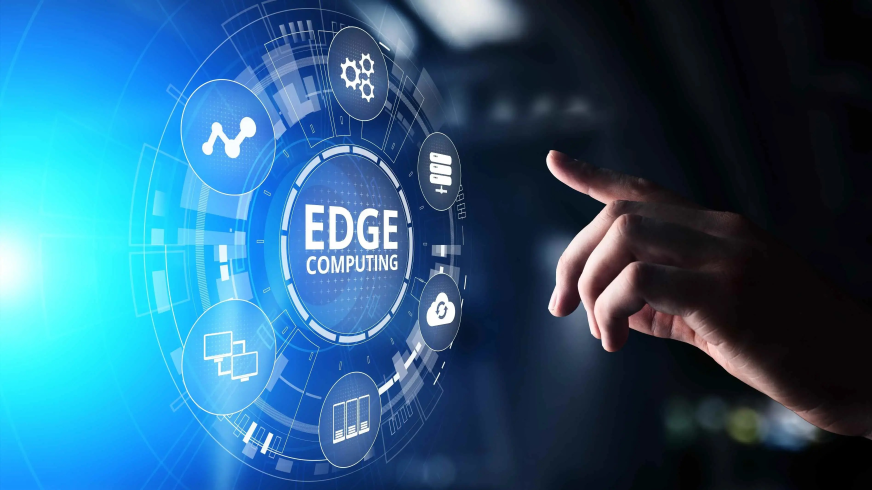
Edge Computing: The New Frontier of Data Processing
The Problem: Data Overload
Imagine you’re stuck in traffic. Your autonomous car is generating terabytes of data every second. Now multiply that by millions of cars. How do we process all this information quickly enough to prevent accidents?
Enter edge computing.
What’s the Edge, Anyway?
🔹 Think of it as bringing the cloud closer to you. 🔹 Instead of sending data to faraway servers, process it right where it’s created. 🔹 Your device becomes its own mini data center.
Why Should You Care?
- Speed: Faster than you can say “latency”
- Privacy: Keep your data close, and your secrets closer
- Reliability: No internet? No problem!
- Efficiency: Save bandwidth, save the planet
Real-World Magic
🚗 Autonomous Vehicles
Split-second decisions without phoning home.
🏙️ Smart Cities
Traffic lights that actually understand traffic. Revolutionary, right?
🏥 Healthcare
Real-time patient monitoring without overwhelming hospital networks.
The Catch (There’s Always a Catch)
- Security: More endpoints = more potential vulnerabilities
- Cost: Upgrading infrastructure isn’t cheap
- Complexity: Managing a distributed system is like herding very technical cats
What’s Next?
- AI at the Edge: Your toaster might soon be smarter than you
- 5G + Edge: A match made in tech heaven
- Edge-Native Apps: Software that’s born to live on the edge
The Bottom Line
Edge computing isn’t just a buzzword—it’s the backbone of our hyper-connected future. From smarter cities to more responsive devices, it’s paving the way for technologies we’ve only dreamed of.
So the next time you hear “edge computing,” don’t think of it as some distant tech trend. It’s already here, making your world faster, smarter, and more efficient—one data point at a time.
Leave a Reply